
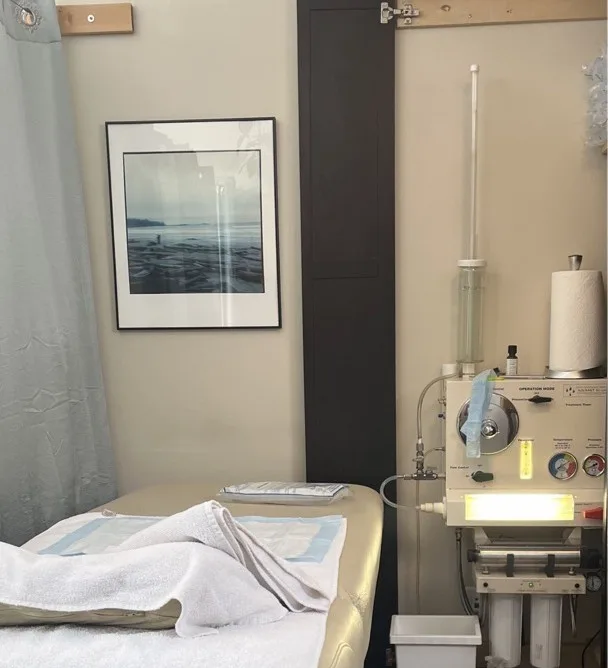
The first step in learning how to prepare for a colonic is to confirm whether the procedure is appropriate for you. Speak with your healthcare professional and tell your practitioner about your medical history, medications and recent procedures. Then ask for the preparation and aftercare instructions for your appointment. At Vestta Whole Health in Vancouver, Archer Jensan discusses your questions before a session. A general article can’t set a safe fasting schedule, water target or supplement plan for every reader. You can still prepare useful information, plan your time and decide what you need explained before you arrive at the practice.
What should you check before booking?
Your health history affects whether colon hydrotherapy is an appropriate choice. Let your healthcare professional know that you’re considering a colonic, including the type of session and any proposed additives.
The NCCIH overview of colon cleansing risks identifies several histories linked to greater risk. These include gastrointestinal disease, colon surgery, severe hemorrhoids, kidney disease and heart disease. The list isn’t a way to screen yourself as safe. People without those conditions can still have concerns that need medical advice.
Tell Archer if you have new symptoms or your health has changed since an earlier visit. Include recent procedures and all the medicines or supplements you take. If your clinician has advised against a session, follow that advice.
You can ask questions without deciding to book. Getting an explanation is a useful first step on its own.
Do you need to fast or change your diet?
For broader questions about food habits, see Archer’s health consultations and dietary wellness education. Appointment preparation should still follow the instructions specific to your visit.
Preparation instructions should account for your health needs and the session being considered. Don’t adopt a strict fasting plan, large water target or extra cleanse from a general online checklist.
NCCIH warns that restrictive cleansing approaches can carry risks. Fasting can cause weakness, fainting and dehydration. Drinking large quantities of water while going without food can upset the body’s mineral balance. Those concerns are reasons to get personal guidance, rather than follow a rule because it appears on several websites.
Ask what you should eat and drink before your appointment and whether any existing medical instructions take priority. If you follow a prescribed diet or fluid limit, explain that before changing anything.
Don’t change or stop prescription medicines on your own. NIDDK advises discussing medicine changes with a healthcare professional. Bring questions about medicine timing to your prescriber or pharmacist, and tell Archer about the guidance you receive.
What should you bring to the appointment?
If this is your first appointment, our first-colonic guide explains the intake conversation and the visit itself.
A medication list, relevant health information and your own questions help the intake conversation stay useful. You don’t have to remember everything while you’re settling into a new space.
Before the visit, gather:
- The names of your medicines and supplements.
- Details of relevant conditions, surgery or recent medical procedures.
- Any guidance your healthcare professional has given you.
- Questions about the equipment, privacy and how to pause or stop.
- The preparation instructions supplied for your appointment.
Wear comfortable clothing and confirm the appointment’s full duration when you book. Let Archer know in advance about any needs that could affect your visit. Ask about the room and access arrangements instead of assuming they will suit every person.
What does colonic aftercare involve?
Colonic aftercare should follow the instructions given for your health circumstances and the session you received. Before leaving, ask what to do if you have questions later.
Confirm any guidance about food, fluids, activity or follow-up. If an instruction conflicts with advice from your healthcare professional, ask for clarification. A generic aftercare list can’t resolve that conflict for you.
Don’t add supplements, laxatives or another cleansing procedure simply because an online article recommends them. Ask about any proposed product, including what it contains and why it is being suggested.
Significant pain or feeling unwell shouldn’t be dismissed as a normal detox response. Seek medical care if symptoms concern you. Your experience matters more than a claim about what everyone is supposed to feel afterwards.
How should you plan the rest of the day?
Your plans after a colonic should reflect how you feel and the advice given for your circumstances. Ask about your own plans before the appointment.
If you’re arranging work, exercise or travel, ask whether there are reasons to adjust them. Find out what you should do if you feel unwell. Allow time at the practice to hear the aftercare instructions and ask questions.
You also don’t need to commit to repeat appointments while planning the first one. Ask about the reason for any suggested follow-up, and discuss it with your healthcare professional where appropriate.
Getting instructions for your visit
Vestta Whole Health offers private appointments with Archer Jensan at 425 W 8th Avenue in Vancouver. The right preparation starts with information about you and an explanation of the proposed session.
See our Vancouver colon hydrotherapy appointments for the service details and contact options. Confirm your personal preparation instructions before your visit.