
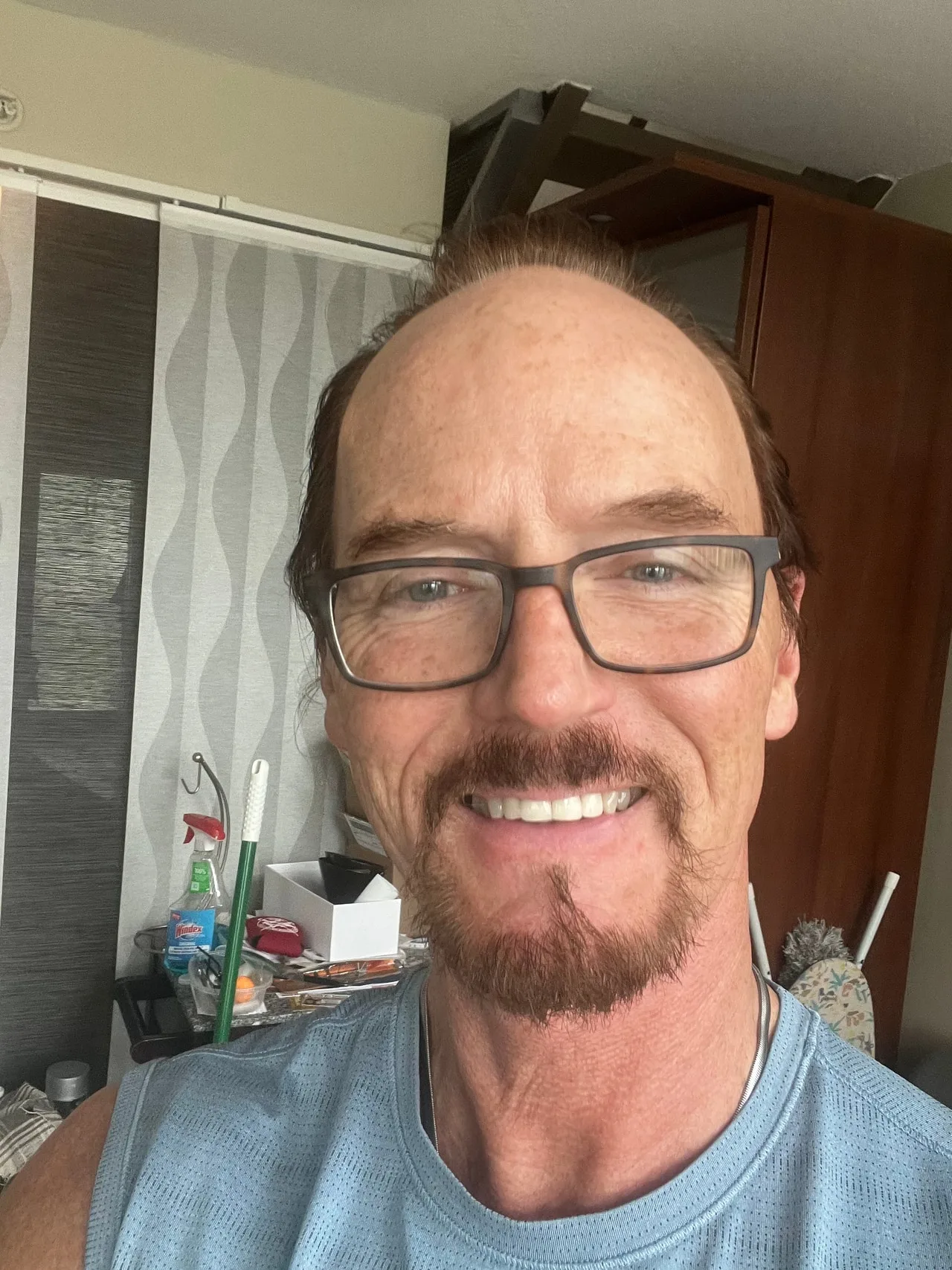
FODMAP education begins with understanding a group of carbohydrates and how they relate to digestive symptoms. Archer Jensan’s background includes personal experience with FODMAPs and dietary wellness teaching. At Vestta, you can ask about that experience and the scope of his educational guidance. A clinical low-FODMAP diet needs a separate conversation with your doctor or a qualified dietitian.
What are FODMAPs?
FODMAPs are certain short-chain carbohydrates that are not fully absorbed in the gut. The name groups together several types, including lactose, fructose and some sugar alcohols. These occur in a range of everyday foods.
Monash University’s introduction to FODMAPs explains that they can draw water into the intestine and produce gas when gut bacteria ferment them. This can contribute to symptoms in people with irritable bowel syndrome, or IBS.
That does not make every food containing FODMAPs a food to avoid. Monash notes that many people eat them without difficulty. Learning the term is a starting point for questions, not a reason to clear out your kitchen.
Who should guide a low-FODMAP diet?
A doctor should assess digestive symptoms before you start a low-FODMAP diet, and a dietitian can help with the dietary approach. Monash advises against diagnosing yourself with IBS because other conditions can produce similar symptoms.
The NIDDK’s IBS dietary guidance describes low-FODMAP eating as one option a doctor may recommend. It also explains that responses to dietary changes differ between people.
If someone has already recommended the diet, bring that advice to your conversation. If you are still trying to understand your symptoms, our digestive-wellness questions guide can help you organise what you want to discuss.
Is restriction meant to continue indefinitely?
A low-FODMAP approach includes reviewing tolerance and bringing foods back, rather than treating the initial restrictions as permanent. NIDDK describes gradual reintroduction under a doctor’s guidance when symptoms improve.
Ask your clinician who will help you review the results and decide what comes next. A list of foods alone cannot answer those questions for you.
Useful questions include:
- What are we trying to understand about my symptoms?
- How will we assess whether the changes are helping?
- Who will guide food reintroduction and check my nutritional needs?
- How should I handle foods that matter to my household or culture?
Discussing FODMAP questions with Archer
Archer’s experience with FODMAPs is part of his personal natural-health background. Vestta does not present it as a clinical IBS programme or a dietitian-led service.
You might want to clarify terminology, ask about his experience, or explain what you find confusing about food advice. Say which kind of conversation you want. You do not need to agree to a restrictive diet to ask a question.
Our health consultations in Vancouver page explains Archer’s dietary wellness role. For the practical details of an enquiry, read about preparing for a dietary consultation.